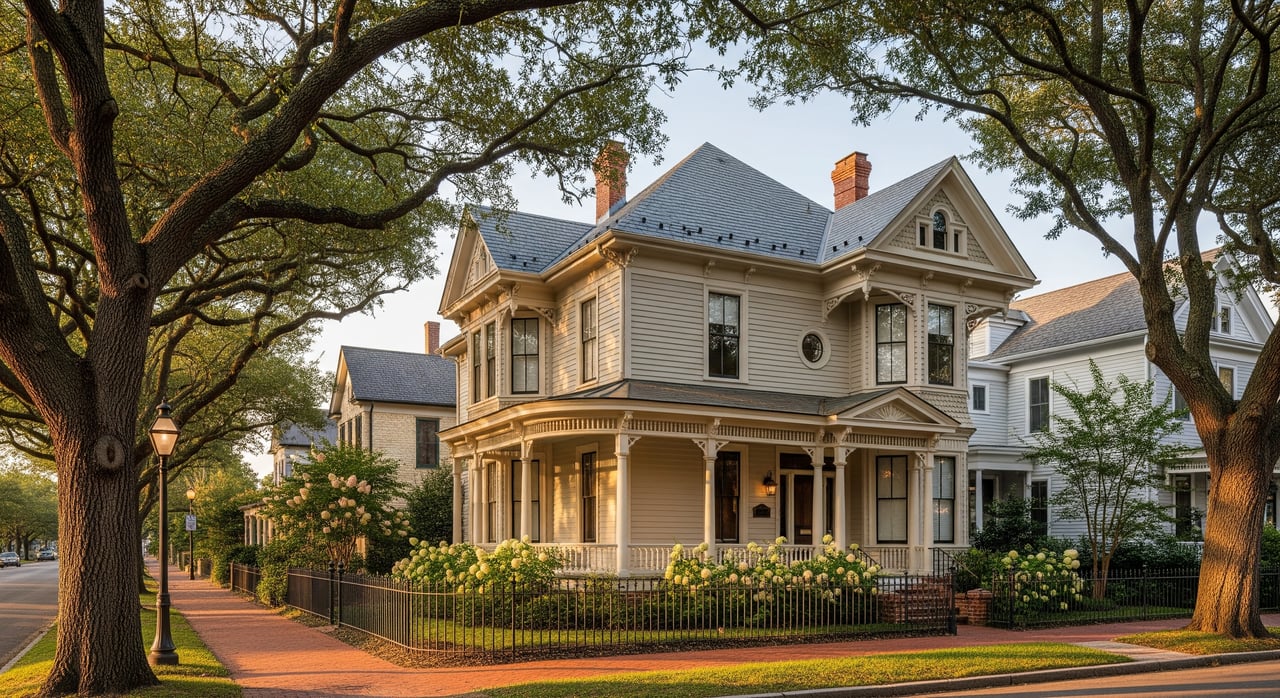
Buying or updating a home in Belmont-Hillsboro? The neighborhood’s historic overlay protects its early 20th-century charm, and it also shapes what you can change on a home’s exterior. If you understand the basics, you can plan with confidence, avoid delays, and protect your investment. This guide breaks down what the overlay regulates, how approvals work, and the smart steps to take before you buy or renovate. Let’s dive in.
What the overlay is
A local historic overlay is a layer of city regulation placed on top of standard zoning. In Belmont-Hillsboro, it exists to preserve the neighborhood’s historic character by reviewing exterior changes that are visible from the street. You can still update or expand a home, but visible work must be compatible with the district’s character.
The overlay generally does not regulate interior work that is not visible from public view. It also does not freeze a house in time. Instead, it focuses on the look, scale, and placement of changes that the public can see.
What it regulates
The overlay typically reviews exterior changes visible from the street or public property. This includes walls, roofs, porches, windows, and doors. New construction and site features are also reviewed for compatibility.
Exterior changes
- Window replacements that change size, material, or pattern
- New or modified porches, or enclosing an existing porch
- Changing siding materials or profiles
- Roofing changes if visible from the street
- Visible additions that alter the roofline or massing
New construction and demolition
- New homes or infill buildings must match the district’s scale, massing, setbacks, and materials.
- Accessory buildings visible from the street are typically reviewed.
- Demolition, whether partial or full, is closely controlled. Proposals often require structural documentation and can be the hardest approvals to obtain.
Site features and common exemptions
- Fences, driveways, stairs, retaining walls, and other visible site work are often reviewed.
- Routine maintenance and in-kind repairs may be exempt if you do not change appearance. Confirm what qualifies before starting.
- Emergency work to secure a building may proceed, but you may need to notify staff and file after the fact.
- Paint color rules vary by district. Confirm whether repainting needs review in Belmont-Hillsboro before you schedule work.
When you need approval
Most visible exterior work requires a Certificate of Appropriateness, often called a COA. The city’s historic preservation staff administers the overlay and either approves smaller items or routes larger items to the Historic Zoning Commission for a public hearing.
Staff vs. commission
- Staff can often approve routine changes or work that meets design guidelines.
- The Historic Zoning Commission hears complex projects, major additions, demolitions, or proposals that need interpretation of the guidelines.
- Commission cases follow a posted calendar with submission deadlines. Plan for more lead time if your project needs a hearing.
How the COA process works
The approval process is document driven. Strong, clear submittals move faster and reduce revision cycles.
What to prepare
- Completed COA application form
- Clear, dated photos of the full house and the area of change
- Dimensioned drawings or elevations for each side affected
- A site plan showing setbacks and relationship to the street
- Material samples or manufacturer specifications
- A short narrative explaining how the design meets district guidelines
- Contractor or architect contact details and owner authorization
Typical sequence and timeline
- Early consult: Contact preservation staff for a preliminary discussion. This helps align design and avoid surprises.
- Submit COA package: Include drawings, photos, specs, and your narrative.
- Staff review: Straightforward items can be approved in days to a few weeks depending on workload.
- Commission hearing: Plan several weeks to months for complex projects and demolitions.
- After approval: Apply for building permits from Metro Codes. A COA does not replace permits.
Permits, fees, and enforcement
- Fees may apply to COA applications and building permits. Check current schedules with Metro staff.
- Work without approval can lead to stop-work orders, fines, and orders to restore prior conditions or file an after-the-fact COA. This can delay resale or refinancing, so plan approvals before you mobilize.
Due diligence for buyers
If you are considering a Belmont-Hillsboro home, research the property’s overlay status and history before you go under contract or finalize renovation plans.
Pre-purchase checklist
- Confirm the parcel is within the Belmont-Hillsboro historic overlay using Metro’s mapping tools or by contacting preservation staff.
- Request the property’s COA and permit history from the city.
- Ask the seller for records of exterior work, including drawings, photos, and invoices.
- Schedule a conceptual conversation with historic preservation staff to discuss plans and timing.
- Factor review time and potential design constraints into your offer, due diligence period, and renovation budget.
Planning your project
Successful projects start with good documentation and realistic expectations about materials and scale.
Materials and details
- Plan for materials that match the district’s guidelines, such as wood windows instead of vinyl when visible from the street.
- Keep historic proportions and profiles on trim, siding, and porch details.
- Provide clear manufacturer cut sheets and samples for proposed products.
Additions and new builds
- Show massing studies that illustrate how the new work relates to the house, the street, and nearby homes.
- Respect height, roof forms, and front setbacks common to the block.
- Place additions so that the original form remains legible from the street whenever possible.
Financial and resale factors
The overlay helps protect neighborhood character and can support long-term value, but it may add time and cost to exterior work. Compare your renovation scope to similar projects inside and outside the district so you can plan budgets and schedules accurately.
Federal and state historic rehabilitation tax credits usually apply to income-producing properties, not owner-occupied single-family homes. For background, review the U.S. National Park Service overview of the Secretary of the Interior’s Standards for Rehabilitation and the NPS guide to historic tax incentives for income-producing properties.
Insurance and lending can also be smoother when documented approvals are on file. Keep copies of all COAs, plans, and permits to provide to appraisers, insurers, and future buyers.
Working with the right team
Projects move faster when your architect, contractor, or consultant has experience with Nashville’s historic overlays. Professionals who know the COA process, drawing standards, and meeting timelines can position your project for success.
If you are buying, partner with an agent who understands Belmont-Hillsboro’s guidelines and can source properties that match your plans. If you are selling, an agent who can verify past approvals and present your home’s stewardship record will help buyers feel confident.
Common pitfalls to avoid
- Starting exterior work before approvals are issued
- Assuming interior work is always exempt without checking visibility
- Underestimating the lead time for commission hearings
- Ordering long-lead materials before final COA approval
- Submitting drawings without clear dimensions, elevations, or a site plan
A simple path forward
- Define your goals and document existing conditions with photos.
- Discuss the concept with preservation staff to confirm direction.
- Prepare a complete COA package with drawings, specs, and a narrative.
- Submit early if a commission hearing is likely.
- After COA approval, pull building permits, then schedule construction.
Ready to buy, sell, or renovate in Belmont-Hillsboro with clarity and confidence? Let’s align your goals with the district’s guidelines and a plan that protects value. Reach out to Custer Rowland to start a tailored strategy for your next move and request your home valuation.
FAQs
What is a historic overlay in Belmont-Hillsboro?
- It is a local layer of regulation that preserves neighborhood character by reviewing visible exterior changes and setting design standards for new work.
Do I need approval to replace windows in Belmont-Hillsboro?
- Yes, if the change alters size, configuration, or material visible from the street; submit a COA for review before ordering or installing windows.
How long does a Certificate of Appropriateness take?
- Staff approvals may take days to a few weeks; commission cases often take several weeks to months due to submittal deadlines and public hearings.
Can I paint my house any color in the overlay?
- Paint rules vary by district; confirm with Metro preservation staff whether repainting in Belmont-Hillsboro needs approval before you schedule work.
Do federal historic tax credits apply to my Belmont-Hillsboro home?
- Federal credits generally apply to income-producing properties; owner-occupied single-family homes typically do not qualify under federal rules.